
51 Days That Changed the Way I Teach
by Zuzana Polónyová - Fulbright Teaching Achievement and Excellence Fellow in academic year 2025/2026, at the University of Massachusetts Lowell.
On a cold January morning in 2026, I boarded a plane to the United States with a suitcase full of winter clothes, lesson ideas, and expectations. Fifty-one days later, when I flew home, I brought back something much more valuable: a different perspective on education, people, and myself.
My name is Zuzana Polónyová, and I teach English at Gymnázium Pavla Jozefa Šafárika in Rožňava, Slovakia. From January 21 to March 12, 2026, I had the privilege of participating in the Fulbright Teaching Excellence and Achievement (FTEA) Program at the University of Massachusetts Lowell. After three application attempts, I was finally selected—a reminder that sometimes persistence matters just as much as talent.
I originally applied because I wanted to see American education with my own eyes. I had read about it, watched documentaries, and heard stories from others, but I wanted to experience it myself. I hoped to discover new teaching methods, observe classrooms, and become a better teacher.
I found all of that.
But I also found something I never expected.
The first lesson began before I even entered a classroom.
Learning to Be Uncomfortable
Everything felt unfamiliar from the very beginning. The long flight to Boston, the six-hour time difference, sharing a room with a teacher from Nicaragua, and trying to stay awake through orientation after nearly twenty-four hours without proper sleep.
Then there were the little things.
The shower that I couldn't figure out.
Coffee served with ice when it was -20°C outside.
The American habit of asking "How are you?" without expecting a real answer.
At first, these details seemed amusing. Later, I realized they were reminders that culture is hidden in ordinary moments.
The Fulbright experience wasn't about learning facts about another country. It was about learning how to adapt when nothing feels familiar anymore.
Beyond the University Classroom
Our days at UMass Lowell were carefully designed to combine academic learning with cultural exchange. We attended workshops led by inspiring professors, discussed educational leadership, explored innovative teaching methods, and reflected on our own classroom practice.
One of the most valuable parts of the program was observing American high schools.
Walking into those schools felt like stepping into a movie I had watched for years—but very quickly, the Hollywood image disappeared.
Instead, I saw passionate teachers, engaged students, and schools that celebrated achievements openly. Students proudly presented their work, teachers encouraged discussion instead of memorization, and classrooms became places where curiosity mattered as much as correct answers.
It wasn't about deciding whether one education system was better than another.
It was about seeing that there are many different ways to help students learn.
As teachers, we often become used to doing things because "that's how they've always been done." Fulbright challenged me to ask a different question:
What if there is another way?
The Power of Human Connections
If someone asked me today what I remember most, I probably wouldn't mention Harvard or MIT first.
I would remember the people.
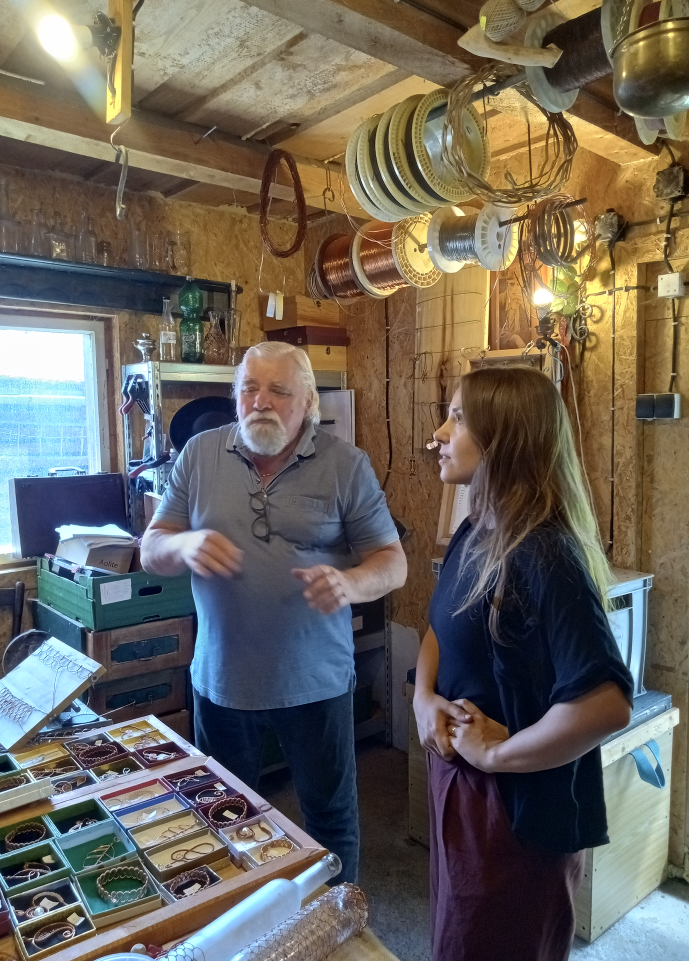
The friendship family who welcomed me into their home and shared an ordinary American evening that no tourist could ever experience.
My partner teacher, Veronica, who made me feel like a colleague rather than a visitor from the very first day.
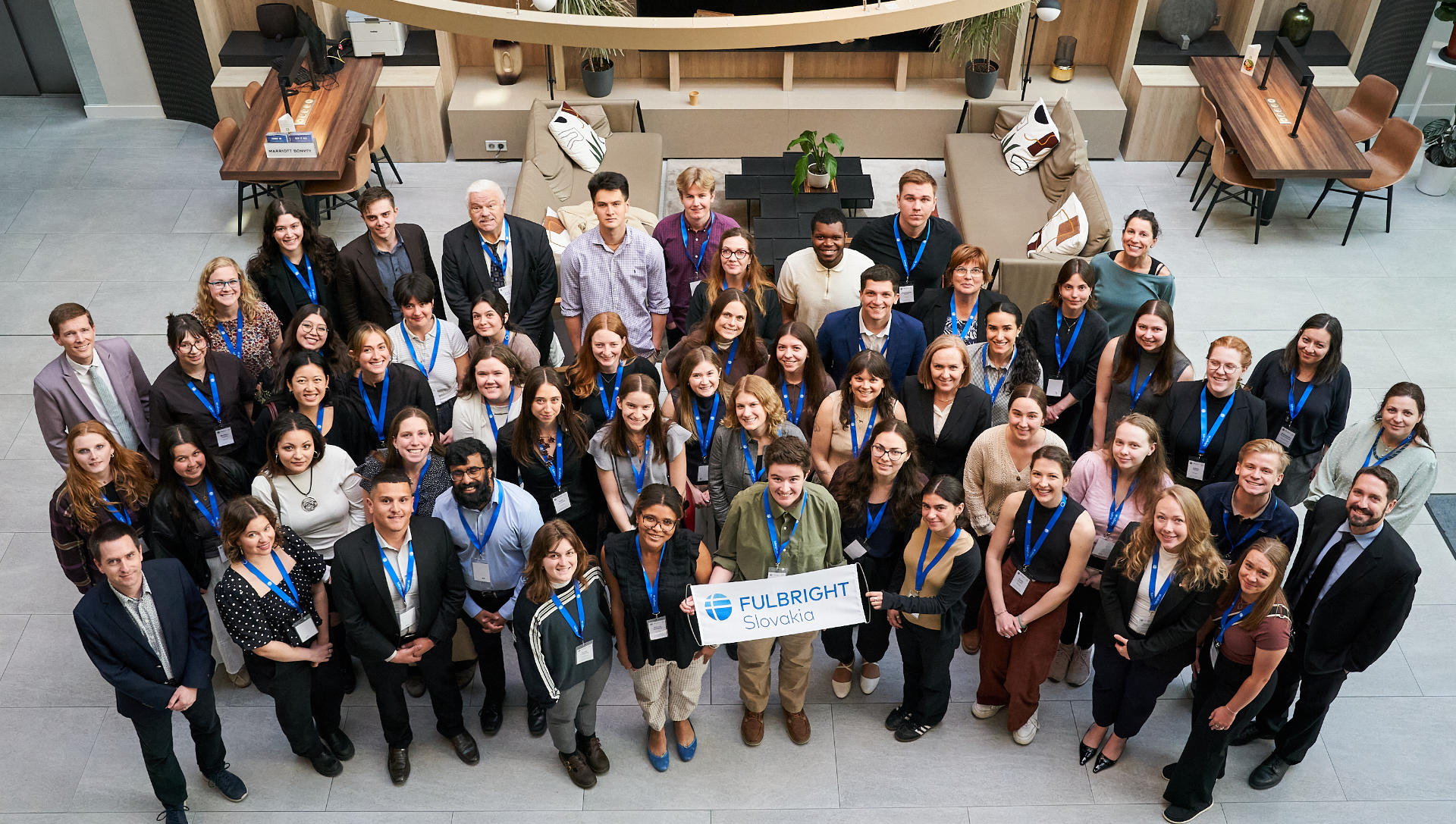
The conversations with fellow Fulbright participants from around the world, who quickly became friends despite our different languages, cultures, and educational systems.
One evening, while presenting Slovakia to American students, I suddenly realized something unexpected.
For weeks I had been discovering another country.
Now I had the opportunity to help others discover mine.
Students were curious about Slovakia. They asked thoughtful questions about our schools, traditions, language, and everyday life. Some admitted they had never heard much about my country before.
Those conversations reminded me that international exchange is never one-sided.
Fulbright is not simply about learning from the United States.
It is equally about representing your own country with openness, honesty, and pride.

When Plans Change
Not every moment was easy.
The New England winter welcomed us with powerful snowstorms that even local residents described as unusual. Some days, the snow seemed endless, and daily routines had to adapt to the weather.
Toward the end of my stay, illness unexpectedly interrupted my plans. Instead of spending my final days exactly as I had imagined, I had to slow down and accept that not everything is under our control.
Looking back, I see those moments differently.
Challenges often become the experiences that teach us the most.
They remind us to stay flexible, ask for help when needed, and appreciate the kindness of people around us.

Bringing Fulbright Home
Returning to Slovakia did not mean leaving Fulbright behind.
The experience continues to influence my teaching every day.
I encourage more discussion in my classroom. I look for opportunities to make learning more interactive and student-centered. I ask my students not only to remember information but to think critically, ask questions, and connect ideas.
After all, I almost gave up on applying.
The FTEA Program accepted me only on my third attempt.
If I had stopped after the second rejection, I would never have experienced those fifty-one unforgettable days.
A Journey That Continues
People often ask me what America was like.
My answer is always the same.
America was fascinating, surprising, sometimes challenging, and often very different from what I had imagined.
But the greatest discovery was not America itself.
It was realizing how much we can grow when we allow ourselves to step outside our comfort zone.
Fulbright gave me new teaching ideas, lifelong friendships, and memories I will carry with me forever.
Most importantly, it reminded me that education is not only about sharing knowledge.
It is about building bridges between people, cultures, and ideas.
And those bridges continue to shape my work long after the journey has ended.
Disclaimer
The views expressed in this blog are those of the author and do not necessarily reflect the views of the Fulbright Program or the U.S. or Slovak government.